
Benefits of a Nose Job
Refined Facial Harmony
Your nose is the centerpiece of your face. When it is in proportion with your chin, cheeks, and lips, everything looks more balanced and naturally attractive.
Permanent Results
Unlike fillers that dissolve over time, surgical rhinoplasty reshapes the underlying structure of your nose. Your results are designed to last a lifetime.
Improved Breathing
Rhinoplasty can correct a deviated septum or reduce enlarged turbinates, helping you breathe easier through your nose.
Customized to You
No two noses are alike. Dr. Neavin tailors every procedure to your unique anatomy, skin type, and aesthetic goals.
Expected Results
Rhinoplasty delivers transformative yet natural-looking results. Final outcomes depend on your unique anatomy and goals, but most patients can expect:
A More Balanced Profile
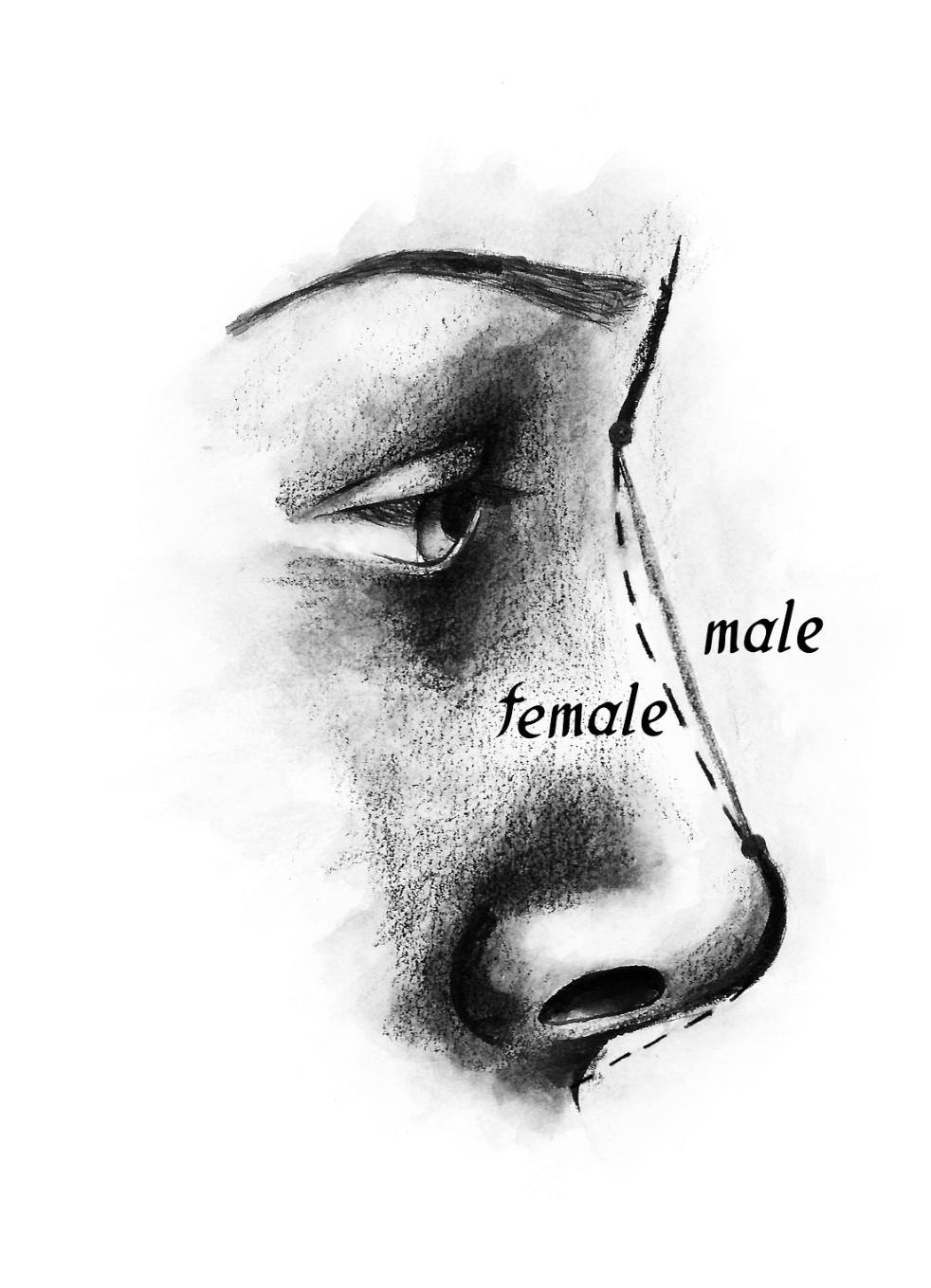
Whether removing a bump or refining projection, your profile will appear smoother and more harmonious with the rest of your face.
A Refined Nasal Tip
Bulbous, boxy, or drooping tips can be reshaped into a more defined, elegant contour that complements your features.
Better Facial Proportion
By adjusting the size, width, or angle of your nose, the entire face appears more balanced. Sometimes the nose itself needs no surgery at all, just enhancement of the chin or midface.
5-Star Experiences
I had been self-conscious about my nose since high school. Dr. Neavin listened to everything I wanted and delivered exactly that. My nose finally fits my face, and no one can tell I had surgery. They just say I look great.
"I went to two other consultations before meeting Dr. Neavin. He was the only one who talked about my chin and cheeks in relation to my nose. That perspective made all the difference. My results are so natural."
How Rhinoplasty Works
01 Open Rhinoplasty
02 Closed Rhinoplasty
03 Cartilage Grafting
04 Osteotomies (Bone Reshaping)
Candidates
Ideal Candidates
- Have a bump, hump, or dorsal irregularity they want smoothed
- Have a bulbous, boxy, or drooping nasal tip
- Feel their nose is too wide, too long, or out of proportion
- Have difficulty breathing due to a deviated septum or enlarged turbinates
- Have realistic expectations and understand the healing timeline
- Are in good overall health and do not smoke
Not Ideal Candidates
- Recently had rhinoplasty (must wait 6 to 12 months for revision)
- Have unrealistic expectations about what surgery can achieve
- Heavy smokers unwilling to quit before and after surgery
- Those seeking a “perfect” nose rather than improvement
- Patients with active skin conditions affecting the nose
What Concerns You About Your Nose?
Click on the areas of the nose that bother you to learn how rhinoplasty can help
Click any area to learn more
Your Selected Concerns
Click on areas of the nose diagram that concern you
Every nose is unique. Schedule a consultation to discuss your specific concerns and goals with Dr. Neavin.
Schedule Your ConsultationSurgery Day Journey
Arrival and Preparation
Anesthesia and Incisions
Reshaping the Nose
Comprehensive
Aftercare Support
Personalized Recovery Instructions
Scheduled Follow-Up Appointments
Direct Access to the Team
Healing Timeline
Every patient heals differently, but this timeline offers a general guide for your return to daily life.
Week 1: Initial Healing
Expect swelling, bruising (especially if bones were fractured), and nasal congestion. A splint or tape is worn for 7 days. Packing, if used, is typically removed within 5 days. Sleep with your head elevated. Stitches are removed at day 7 for open rhinoplasty.
Weeks 2-4: Swelling Subsides
Most visible bruising fades. Swelling decreases significantly but the nose still appears slightly fuller than the final result. Most patients feel comfortable returning to work and social activities after 10 to 14 days.
Months 1-3: Continued Refinement
The nose may appear slightly over-rotated due to residual swelling. This is normal and will settle. Avoid glasses resting on the bridge for 6 weeks. No strenuous exercise for 3 weeks.
Months 3-12: Final Results Begin to Show
The tip is the last area to fully refine. Subtle swelling can persist for 6 months to a year. Patience is essential. The nose continues to look better with time.
Safety &
Potential Risks
Rhinoplasty is a safe procedure when performed by an experienced, board-certified plastic surgeon. As with any surgery, there are risks to understand before proceeding.
Important Considerations
- Swelling and bruising: Expected after surgery, especially if bones are fractured. Most bruising resolves within 7 to 10 days. Tip swelling persists for months.
- Bleeding: Minor oozing is normal for a few days. Significant bleeding is rare but requires immediate attention.
- Infection: Uncommon with proper care. Antibiotics are typically prescribed.
- Asymmetry: Minor asymmetries may occur as healing progresses. These are often imperceptible to others.
- Revision surgery: Approximately 15 to 20 percent of rhinoplasty patients may benefit from a touch-up procedure. This is due to the unpredictable nature of nasal healing, not surgical error.
- Numbness: Temporary numbness of the tip is common and typically resolves within weeks to months.
- Scarring: Open rhinoplasty leaves a small scar on the columella that is nearly invisible in most patients.
Frequently Asked Questions
Will my rhinoplasty look natural?
How long does the swelling last?
Will I have visible scars?
What is the difference between open and closed rhinoplasty?
Will you need to break my nose?
Artistry Meets
Surgical Precision
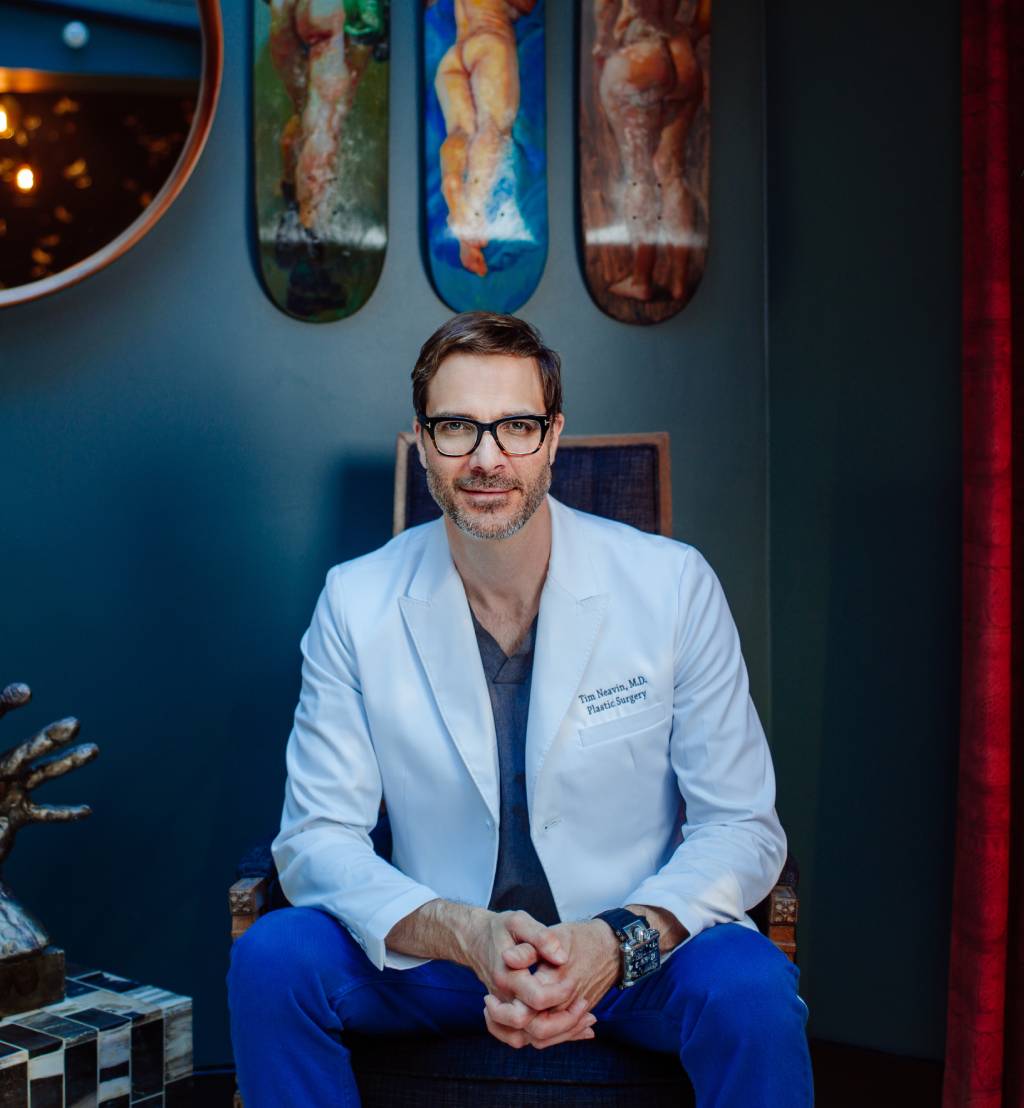
Dr. Tim Neavin learned rhinoplasty from one of the best. His advanced aesthetic surgery fellowship under Dr. Richard Ellenbogen, a world-renowned rhinoplasty surgeon, gave him the foundation to approach every nose as both a surgeon and an artist.
This is surgery measured in sub-millimeters. A fraction too much removed, and the nose looks pinched. A fraction too little, and the result falls flat. Dr Neavin understands this balance. He sees the nose not as an isolated feature but as one element of a larger composition that includes the chin, midface, and lips. When all of these features work together, the result is a face that looks naturally beautiful.
His philosophy is simple: a beautiful nose should never look “done.” It should look like the nose you were meant to have.
Beverly Hills & Santa Barbara
Start Your Transformation
Schedule your private consultation with Dr. Neavin today.