
Benefits of Hair Transplant Surgery
Natural Hairline Design
Done well, a hair transplant should pass the “barber test.” Dr. Neavin designs each hairline to match your facial structure, bone anatomy, and ethnic background. Single hair grafts frame the front. Multi hair grafts add density behind them. The pattern is irregular on purpose, which mimics how hair grows in nature.
Permanent, Living Hair
Transplanted follicles come from areas that are genetically resistant to balding, usually the back and sides of the scalp. Once these follicles take root, they typically grow for life and can be cut, styled, and washed just like your other hair. Unlike temporary thickening treatments, you are investing in a permanent change to your hairline.
Short Hairstyle Friendly
With modern FUE techniques, follicles are removed one by one, leaving tiny dot scars that are very hard to see, even with short hair. For men and women who prefer a cropped cut or fade, this approach allows for natural coverage without a visible “strip” scar.
Confidence and Styling Freedom
For many patients, the real benefit is psychological. Being able to wear your hair back, part it differently, or see less scalp under overhead lighting changes how you carry yourself. Patients often describe feeling less self conscious in photos and more comfortable in social or professional settings once their hairline is restored.
Expected Results
Immediate Change in Hairline
Right after surgery, the new hairline is already visible. You will see tiny grafts placed in a pattern that outlines your future density. Swelling and redness are common for a few days, especially across the forehead, but typically respond well to elevation and cold compresses.
Shedding Phase
Within the first 2 to 4 weeks, the transplanted hair shafts usually shed. This can feel alarming, but it is completely normal. The follicles remain alive under the skin while the hairs enter a resting phase. During this time, you may look similar to your preoperative state.
New Growth and Thickening
Around 3 to 4 months, fine new hairs start to appear. From 6 to 12 months, the hair progressively thickens and gains texture. Density improves as more follicles wake up, and the hairline softens into a very natural pattern. Most patients see the biggest visible change between months 6 and 12.
Techniques and Approach
Hair restoration is both technical and artistic. Dr. Neavin combines multiple tools and techniques to maximize graft survival and achieve the most natural pattern possible.
01 FUE: Follicular Unit Extraction
02 FUT: Strip Harvesting
03 Advanced Technology and PRP Support
04 Planning for Future Hair Loss
Candidates
Ideal Candidates
Ideal candidates for hair transplant surgery:
- Men or women with stable patterns of hair loss and realistic expectations
- People with good donor density along the back and sides of the scalp
- Patients bothered by a receding hairline, thinning crown, or visible scalp through the part
- Individuals who understand that transplanted hair is permanent, but native hair may continue to thin over time
- Patients who are willing to follow a long term plan that may include medical therapy to protect existing hair
Age matters. In younger patients, Dr. Neavin is careful to design a conservative, age appropriate hairline so it still looks natural as hair loss progresses.
Not Ideal Candidates
You may not be a good candidate if:
- You have very limited donor hair or advanced loss without adequate reserves
- Hair loss is rapidly progressing and has not yet stabilized
- You have untreated scalp conditions or certain autoimmune disorders that affect graft survival
- You are expecting a perfectly dense “teenage” head of hair rather than a realistic improvement
- You are unable or unwilling to follow post operative instructions and protect the grafts during early healing
In these situations, Dr. Neavin may recommend medical treatments, PRP, or a staged approach before considering surgery.
Video Insights
Estimated Investment
Surgery Day Journey
Arrival and Planning
Harvesting the Grafts
Placing the New Hairline
Comprehensive
Aftercare Support
Direct Access to Dr. Neavin
Structured Follow Up Visits
Long Term Hair Health Plan
Healing Timeline
Every patient heals differently, but this timeline offers a general guide for your return to daily life.
Days 1-3
You go home the same day as surgery. Mild soreness, tightness, and swelling in the scalp and forehead are common. Tiny scabs form around the grafts. Most patients feel comfortable walking around the house and doing light activities. Pain is usually well controlled with prescribed or over the counter medication.
Days 4-10
Crusting around the grafts begins to soften and flake off as you follow the washing instructions. Redness fades. Many patients return to desk work or remote work during this window. It is important to avoid scratching, vigorous rubbing, or intense exercise while the grafts are still vulnerable.
Weeks 2-4
Most of the transplanted hairs shed during this period. The scalp looks more like it did before surgery. This is a normal part of the growth cycle. You can usually resume most normal activities, including exercise, as advised by Dr. Neavin.
Months 3-12
New hairs begin to emerge around months 3 to 4 and continue to thicken over the next 6 to 12 months. Density improves, and the hairline softens into a natural pattern. By the one year mark, most patients are enjoying a stable result that feels like their own hair.
Safety & Potential Risks
Hair transplant surgery is very well tolerated when performed by an experienced surgeon in an accredited setting. Even so, it is still surgery and carries real risks. Dr. Neavin spends time reviewing these with you so you can make an informed decision.
Important Considerations
- Infection, bleeding, or delayed wound healing
- Visible scarring, including wide or thickened scars in FUT donor sites
- Uneven or patchy density if grafts do not grow as expected
- “Shock loss” of existing hair in or near the treated area, which is usually temporary but can sometimes be long lasting
- Numbness or changed sensation in the scalp, which often improves over time
- Need for additional procedures if hair loss progresses or if more density is desired
Serving Hair Restoration Patients in Beverly Hills & Santa Barbara
Hair transplantation is often a full-day procedure requiring meticulous attention to detail. Dr. Neavin has optimized the experience at both locations to ensure your comfort during the session and your safety during the immediate recovery period.
For Our Beverly Hills Patients
Our North Rodeo Drive facility is designed for extended-stay comfort. Since hair restoration procedures can last several hours, our surgical suites are equipped to keep you relaxed and entertained throughout the day. For high-profile clients concerned about privacy immediately post-procedure (when grafts are visible), we offer discreet exit protocols and coordination with nearby hotels for a private, traffic-free recovery.
For Our Santa Barbara Patients
Dr. Neavin brings advanced hair restoration capabilities directly to the Central Coast. Santa Barbara patients can complete their comprehensive scalp analysis, hairline planning, and essential post-op graft checks at our Coast Village Road clinic. This is a significant advantage: you avoid the need to navigate Los Angeles traffic with a sensitive scalp or bandages, allowing you to recover in the privacy of Montecito or Santa Barbara.
Frequently Asked Questions
How long do hair transplant results last?
When will I see new hair growth?
Is the procedure painful?
Will people be able to tell I had a hair transplant?
Will I need more than one hair transplant?
Why Choose Dr. Neavin for Your Hair Transplant
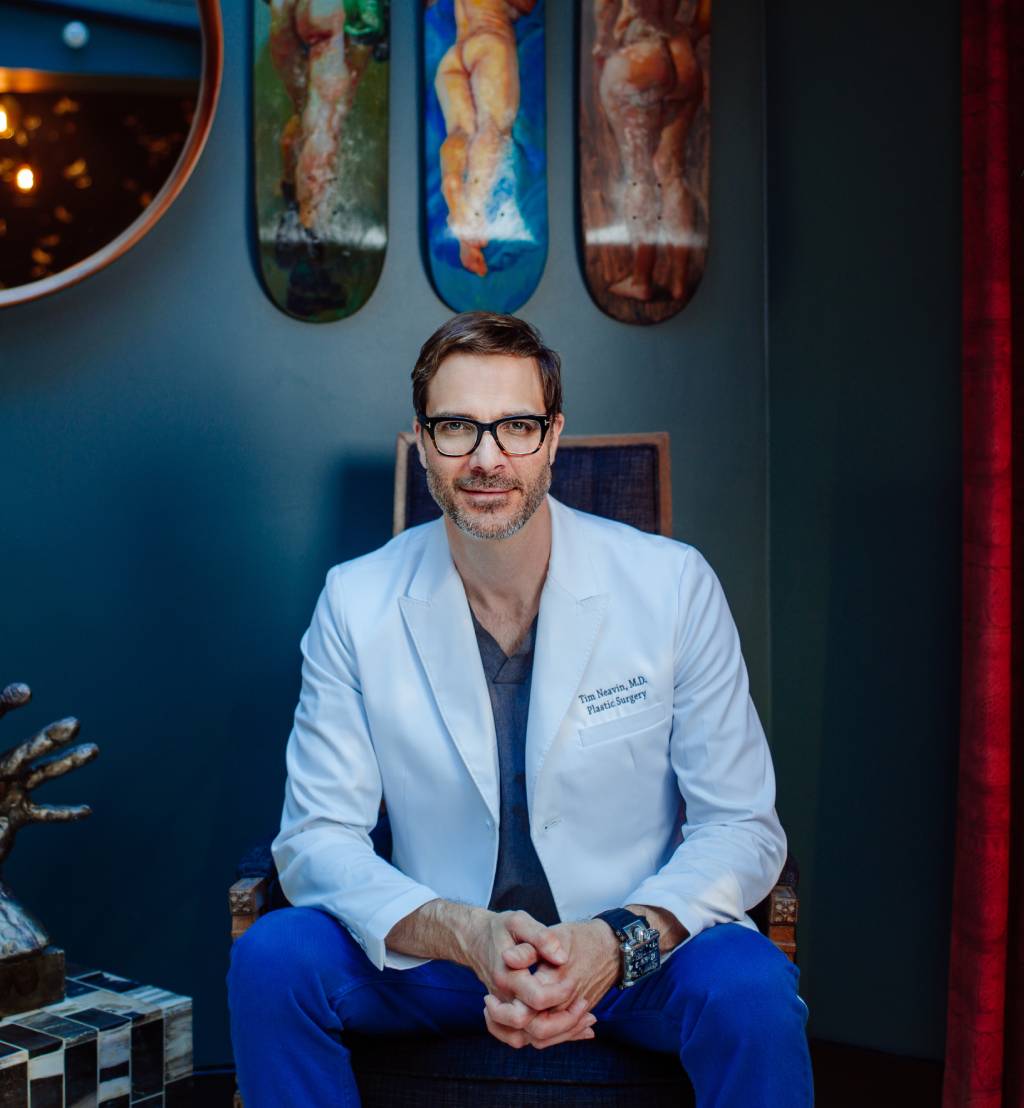
Dr. Tim Neavin is a board certified plastic surgeon who has devoted years to hair restoration, facial aesthetics, and natural looking surgical results. He brings the same precision he uses in facelift and facial fat grafting to the design of each hairline.
Consultations are not rushed. He studies your hairline, donor density, scalp health, and pattern of loss, then sketches a plan that fits both your current appearance and how you are likely to age. The focus is on creating a believable, age appropriate hairline, not just packing as many grafts as possible into one session.
His goal is simple: restore your hair in a way that quietly restores your confidence.
Schedule Your Private Consultation
Start your journey with Dr. Neavin today.