
Benefits of Otoplasty
Improves Ear Position
Otoplasty brings ears closer to the head so they are less prominent and better aligned with surrounding features.
Enhances Facial Proportion
Balanced ear position draws attention to the eyes and face instead of the ears, contributing to a more harmonious look.
Corrects Asymmetry
Uneven ears are reshaped so both sides have similar contours and positioning.
Long Lasting Results
Once the cartilage is reshaped and set, the new ear position is stable and long lasting.
Expected Results
Natural Ear Contour
The reshaped cartilage fits smoothly against the skull curves so the ear looks natural from the front and side views.
Symmetrical Positioning
Uneven ears are corrected so both sides align in distance from the head and overall shape.
Improved Self Confidence
Prominence can draw attention away from facial features. With the ears repositioned, patients often feel more confident when interacting and in photographs.
5-Star Experiences
Dr. Neavin took the time to explain every detail and made me feel completely comfortable with my decision. The results have made a world of difference.
Understanding Otoplasty
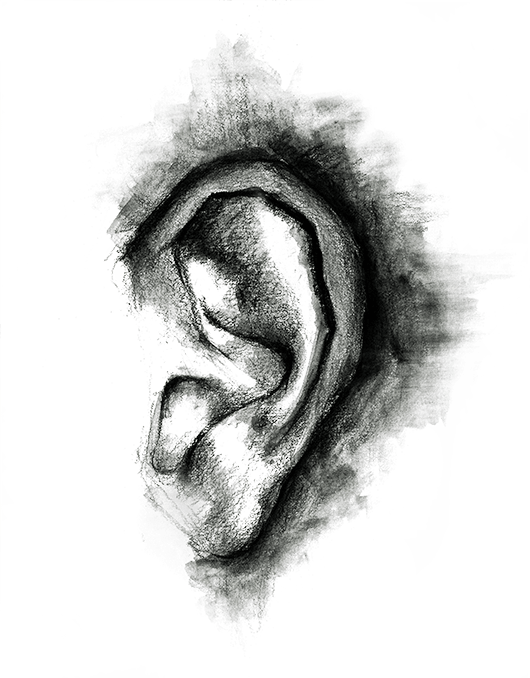
Otoplasty reshapes and repositions the ear cartilage so the ear sits closer to the head with balanced curvature and symmetry.
01 Cartilage Sculpting
02 Symmetry and Proportion
03 Incision Placement
04 Combined Techniques
Candidates
Ideal Candidates
Otoplasty is often right for people who:
- Feel self conscious about how prominent their ears appear
- Have ears that stick out too far from the head
- Notice asymmetry in ear shape or position
- Seek improvement in proportion between ears and other features
- Are in good overall health and have realistic expectations about surgical outcomes
Children and adults can benefit from otoplasty when their ear cartilage is stable and the goals are well defined.
Not Ideal Candidates
Otoplasty may not be the best option if:
- The ears are already proportional and well positioned
- Concerns are primarily related to earlobe shape alone (earlobe repair may be a better choice)
- There are uncontrolled health conditions that increase surgical risk
- Expectations about the degree of change are unrealistic
A careful evaluation allows Dr. Neavin to recommend the best approach for your goals, which sometimes includes combined techniques such as earlobe refinement.
Estimated Investment
Surgery Day Journey
Consultation and Planning
Day of Surgery
Early Recovery
Comprehensive
Aftercare Support
Comfort and Protection
Activity and Support
Follow Up Monitoring
Healing Timeline
Every patient heals differently, but this timeline offers a general guide for your return to daily life.
Days 1 to 3
Swelling and mild discomfort are common initially. A soft dressing or head wrap may be applied to protect the ears and minimize movement.
Days 4 to 7
Swelling decreases, and the dressing is usually discontinued. Patients often return to daily activities, though contact sports and strenuous exertion are avoided.
Weeks 2 to 4
Swelling continues to fade. The ears settle into their new position and sensitivity decreases. Normal physical activity resumes gradually.
Beyond 4 Weeks
Final results appear as tissues fully heal. The ears have healed into a stable new contour and projection.
Safety & Potential Risks
Otoplasty is considered a safe procedure when performed by a trained surgeon. The ear cartilage and soft tissues are reshaped under sterile conditions to minimize complications.
Important Considerations
- Temporary swelling or bruising
- Mild discomfort during recovery
- Possibility of asymmetry
- Scarring behind the ear
- Infection or delayed healing
- Rare need for revision surgery
A detailed consult ensures you understand the specific risk profile for your anatomy and goals.
Frequently Asked Questions
What does otoplasty fix?
Will scars be visible?
Is otoplasty painful?
What age is appropriate for otoplasty?
Can otoplasty be combined with other procedures?
Why Choose Dr. Neavin for Your Otoplasty
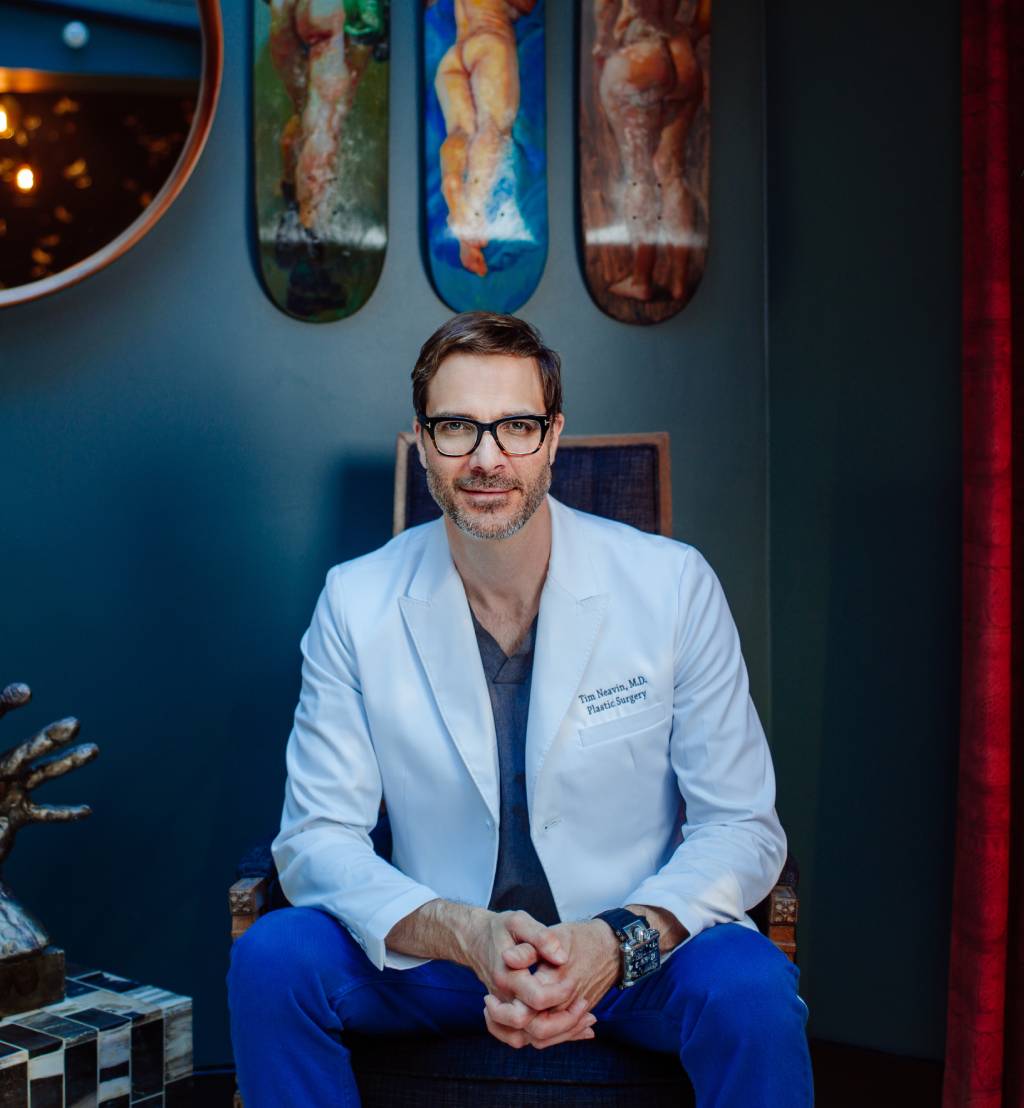
Otoplasty is an operation that demands precision, symmetry, and careful shaping of the ear cartilage. Dr. Tim Neavin evaluates the size, position, and fold of each ear, and creates a customized plan that corrects prominence or distortion while preserving natural curves and contours.
Dr. Neavin’s focus is on results that look balanced and refined without appearing overtly operated. He pays particular attention to how the ears relate to the cheeks, jawline, and overall facial proportions so the improvement feels harmonious and integrated.
Where We See Patients
Schedule Your Private Consultation
Start your journey with Dr. Neavin today.