
Revision rhinoplasty by Dr. Tim Neavin - Beverly Hills & Santa Barbara
If your first rhinoplasty left you with breathing problems, visible asymmetry, or a result that simply doesn't look like you, you're not starting over. You're getting it right this time.
 Before
  After
After Actual patient result by Dr. Tim Neavin
Rhinoplasty is one of the most technically demanding procedures in plastic surgery. Even in skilled hands, results can fall short, a tip that looks pinched, a bridge that’s scooped out, an asymmetry that wasn’t there before, or breathing that’s gotten worse since surgery.
These issues don’t necessarily mean your first surgeon made a mistake. The nose is unpredictable, and healing plays a major role in the final outcome. What matters now is what happens next.
Revision rhinoplasty is a fundamentally different operation than a primary nose job. Scar tissue has changed the landscape. Cartilage may be weakened or missing. The skin has already been disrupted once.
Dr. Neavin approaches every revision with detailed preoperative analysis, mapping what was changed during the first surgery and what structural support remains. In most cases, he uses cartilage grafting, from the septum, ear, or rib, to rebuild the nasal framework and give your nose the support it needs to hold its shape for years, not months.
When too much cartilage was removed the first time, grafting restores the framework your nose needs for lasting support and natural shape.
Breathing problems after rhinoplasty are common. Dr. Neavin addresses both the aesthetic result and nasal airway function in the same procedure.
Previous surgery creates internal scarring that distorts anatomy. Careful dissection through scar tissue is what separates a revision specialist from a general cosmetic surgeon.
“I went to three other surgeons after my first rhinoplasty and none of them gave me confidence. Dr. Neavin was the first one who actually explained what went wrong and had a clear plan to fix it. My nose finally looks and feels like it should have the first time.”— Rachel M.
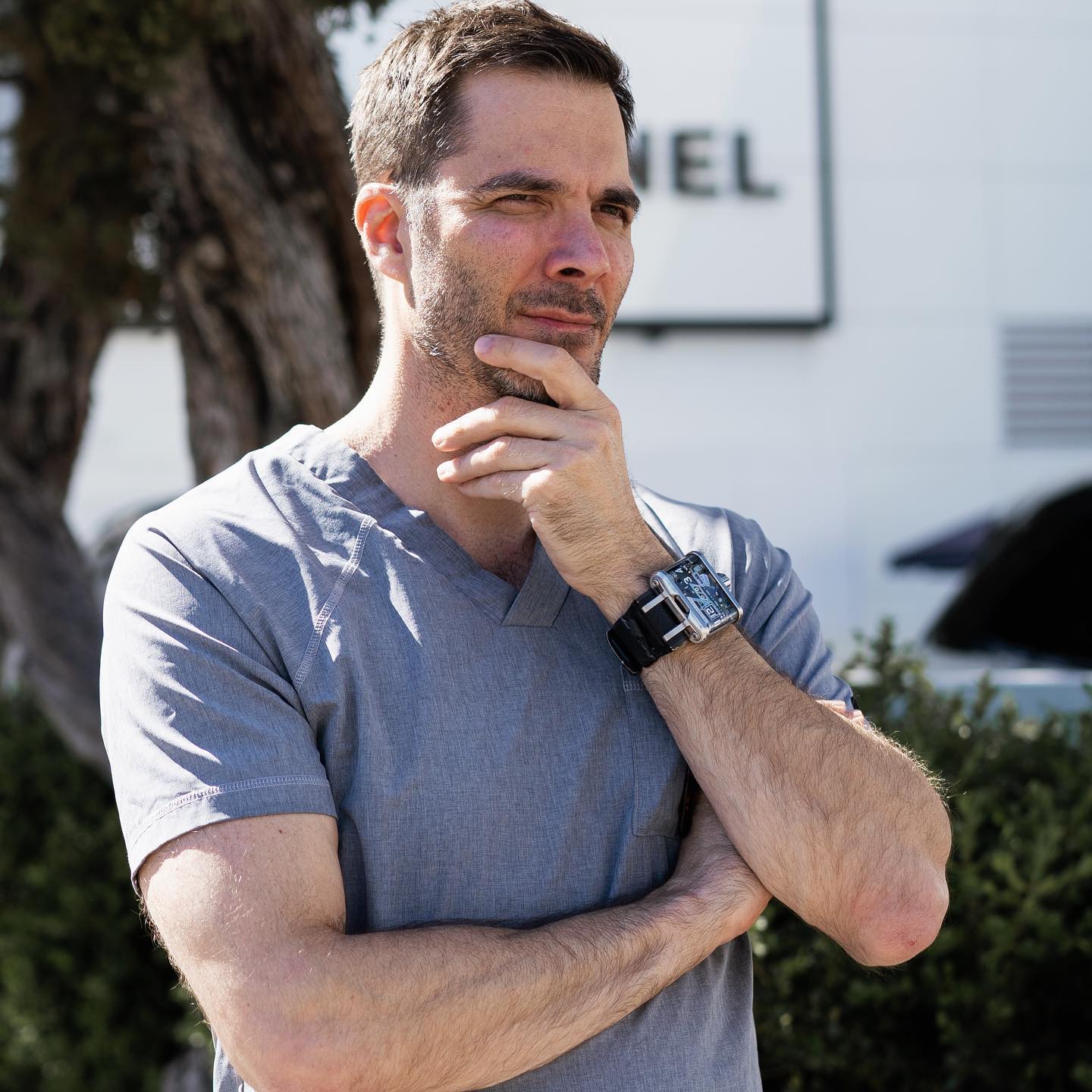
Revision rhinoplasty is widely considered the most challenging procedure in facial plastic surgery. Dr. Neavin’s approach combines meticulous preoperative planning with advanced cartilage grafting techniques to rebuild noses that have been structurally compromised by prior surgery.
His patients consistently describe the same experience: after consultations with multiple surgeons, Dr. Neavin was the first to clearly explain what went wrong and present a concrete plan to fix it. That combination of diagnostic precision and surgical skill is what makes his revision results stand apart.
Most surgeons recommend waiting at least 12 months after your primary rhinoplasty. This allows swelling to fully resolve and tissues to settle into their final position. Dr. Neavin evaluates each case individually, as some patients may need to wait longer depending on the complexity of the initial procedure.
Yes. Revision rhinoplasty is widely considered one of the most challenging procedures in plastic surgery. Scar tissue, altered anatomy, and reduced cartilage from the first surgery all add complexity. This is why choosing a surgeon with significant revision experience is critical to achieving a good outcome.
Many revision cases require cartilage grafting to restore structure that was removed or damaged during the first surgery. Dr. Neavin may harvest cartilage from the septum, ear, or in rare cases, the rib, depending on what your nose needs for proper support and shape.
Schedule a consultation with Dr. Neavin to discuss your concerns and explore your revision rhinoplasty options.