
Beauty isn’t one size or one shape. As Dr. Tim Neavin emphasizes, the most attractive results come from proportion, balance, and support—how the breast sits on the chest wall, how it moves, and how it holds its shape over time.
By Dr. Tim Neavin • Updated
The Core Principles
While everyone’s taste is different, most patients and surgeons agree on a few constants: natural upper-pole slope (not a stiff shelf), a fuller lower pole, nipples centered and slightly up-tilted on the breast mound, soft medial cleavage without crowding, and a smooth lateral curve that blends into the chest wall. Skin quality and internal support determine how well these elements age.

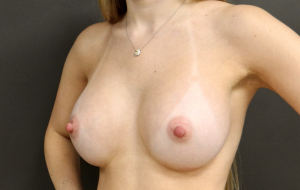
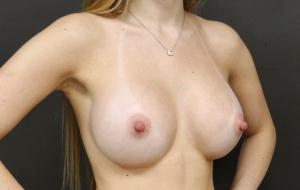
A breast augmentation could be your next step to beautiful breasts.
If you’re exploring your options, you can learn more about Breast Augmentation in Beverly Hills to see how different techniques can enhance shape, proportion, and long-term support.
Proportions That Read as “Natural”
- Upper vs. lower pole: Many consider an approximate 45/55 upper-to-lower pole ratio aesthetically pleasing. It reads “youthful” without looking overfilled.
- Breast footprint: The base (width and position on the chest) should match your frame. Edges that extend past the chest footprint can look forced.
- Cleavage distance: Soft, symmetric narrowing in the midline—never pinched together or “squared.”
- Lateral curve: A gentle taper at the side of the breast that blends into the thorax, keeping arms-down comfort and natural motion.
Nipple–Areola Position & Orientation
The nipple–areola complex ideally sits near the point of maximal projection with a subtle upward tilt—not pointing down or out.
The areola should be centered on the breast mound and balanced between sides. Areola diameter, pigment border, and height relative to the inframammary fold all contribute to a natural look.
The Inframammary Fold (IMF): Shape Starts at the Base
The IMF is the anchor of the breast. If it sits too low, the breast looks bottom-heavy; too high, the lower pole looks flat and implants ride up. Setting—and sometimes reinforcing—the fold is one of the most important steps for shape today and support long-term.
Skin Quality & Internal Support
Skin elasticity and ligament strength determine how breasts respond to gravity, pregnancy, and weight changes. Beautiful results use the lightest plan that achieves your goal—respecting tissue limits so shapes hold up with time.
Aesthetic Elements at a Glance
Beauty in Motion
Attractive breasts look natural in motion, not just in still photos. Pocket control, plane selection, and a size that respects your tissues help breasts move with you—during daily life, sport, and posture changes.
How Beautiful Results Hold Up Over Time
- Choose the lightest plan that meets the goal: less stress on skin and ligaments.
- Protect the base: a well-set fold resists bottoming-out.
- Stay steady: weight stability, supportive bras for impact, and sun protection for scars.
Common Myths
“Bigger is automatically better.” Oversizing can flatten the lower pole, crowd the midline, and age poorly. Harmony beats volume.
“Perfect symmetry is the goal.” Small differences are normal. The aim is balance that looks right in clothing and motion.